Addition Wheel 20 Embroidery Design Review
When I am evaluating a new machine embroidery design for my own studio or for client projects, I look past the digital preview. I need to know how it behaves under the needle, how it holds up after washing, and whether it adds genuine value to the final product. Today, I am putting that critical eye on Addition Wheel 20, a design marketed toward the school sector but with potential far beyond the classroom wall.
This isn’t just about counting numbers. It is about visual engagement, color theory in thread, and the tactile satisfaction of a well-executed stitch pattern. Here is my honest assessment of using Addition Wheel 20 in real-world scenarios, from custom apparel to small business merchandise.
First Impressions: Visual Personality and Mood
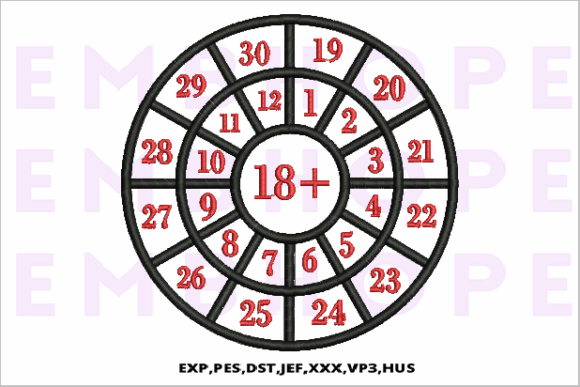
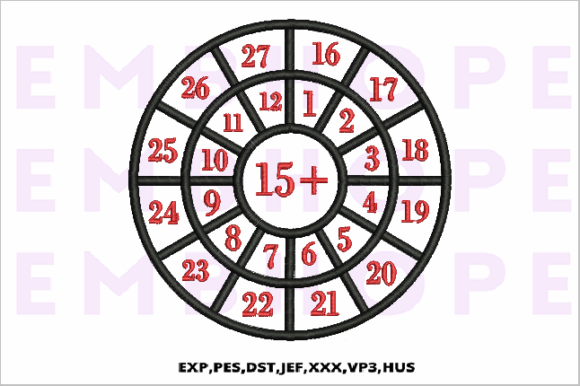
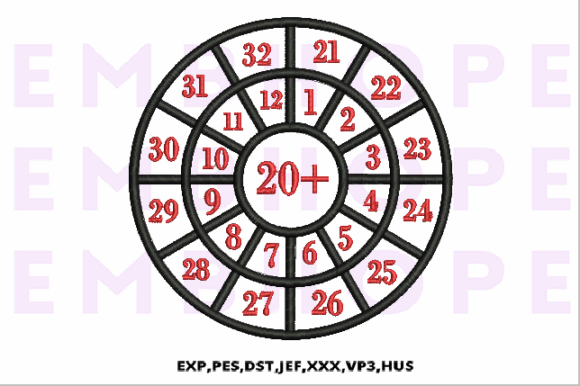
The moment you load the file into your software, the personality of Addition Wheel 20 becomes clear. It is bright, cheery, and undeniably playful. The wheel motif suggests movement and rotation, which translates surprisingly well into static embroidery when executed with the right fill stitch density. It creates a sense of fun without feeling childish in a way that limits its appeal.
For an Etsy seller or a craft business owner, this visual "cheerfulness" is a powerful asset. It immediately signals positivity. Whether you are creating a gift for a teacher, a personalized item for a student, or a decorative piece for a nursery, the design carries an inherent warmth. It feels like a celebration of learning rather than a rigid academic tool. This emotional connection is what drives buyer engagement in handmade markets.
Real-World Application: Where Does It Fit?
I have spent years testing designs on various substrates, and Addition Wheel 20 shines in specific contexts. It is not a one-size-fits-all solution, but when placed correctly, it elevates the product significantly.
Custom Apparel and Accessories
Imagine a sweatshirt embroidery project for a back-to-school event. Placing Addition Wheel 20 on the chest or sleeve adds a pop of color that stands out against neutral fabrics. It works beautifully on canvas tote bag design options as well. The wheel shape breaks up the monotony of large fabric areas, drawing the eye without overwhelming the garment. For custom apparel targeting parents who want their children to feel excited about education, this design hits the right note.
Nursery Decor and Home Goods
Beyond clothing, this design has strong potential in home goods. A pillow cover embroidered with Addition Wheel 20 can serve as a charming accent in a child’s room. Similarly, a kitchen towel featuring this motif brings a touch of whimsy to meal prep. The key here is context; it fits naturally in spaces where creativity and learning intersect.
Personalized Gifts and Boutique Items
As a handmade product, personalization is king. Adding a name alongside Addition Wheel 20 transforms a generic design into a unique keepsake. This is particularly effective for holiday embroidery gifts, such as Christmas stockings or birthday banners. The wheel element allows for creative integration with other elements, making it versatile for personalized gifts that feel thoughtful and curated.
Technical Performance and Stitch Clarity
From a technical standpoint, the success of any embroidery file depends on stitch density and detail resolution. Addition Wheel 20 appears to balance these elements well, but there are nuances to consider.
- Stitch Density: Ensure the stitch density is appropriate for your fabric. Too dense on light fabrics can cause puckering; too sparse on textured fabrics can lose definition. Always test on scrap material first.
- Satin vs. Fill: If the design uses satin stitch for outlines or text, check the edge quality. Satin stitches must be crisp to maintain the professional look expected by buyers. If it relies heavily on fill stitch, verify that the underlay is sufficient to prevent fabric show-through.
- Thread Colors: The impact of this design is heavily dependent on thread colors. Bright, contrasting threads will enhance the wheel’s visibility, while muted tones might make it blend into the background. Consider using a color palette that matches your brand’s aesthetic if you are selling finished products.
Where to Use Caution
No design is perfect for every situation. There are several scenarios where Addition Wheel 20 might struggle, and knowing these limitations is crucial for maintaining your reputation as a quality provider.
- Small Hoop Sizes: If you are working with very small hoops, the details of the wheel may become muddy. Ensure the design scales appropriately without losing its character.
- Textured and Stretchy Fabrics: Textured fabrics can obscure fine details, while stretchy fabrics require careful stabilization to prevent distortion. Use a proper stabilizer to support the fabric during stitching.
- Dense Stitch Areas: Avoid placing the design over seams, pockets, or other dense stitch areas, as this can lead to bulkiness and needle breakage.
- Curved Surfaces: While caps and hats are popular items, embroidering a flat wheel design on a curved surface can result in warping. Test on a curved sample before committing to a production run.
- Frequent Washing: For items that will undergo frequent washing, such as baby clothes or aprons, ensure the design is durable. Loose threads or poor stitch anchoring can lead to fraying over time.
Design Notes for Professional Results
To get the most out of Addition Wheel 20, follow these practical steps:
- Test First: Always stitch a test version on the actual fabric you plan to use. This helps you identify issues with tension, stabilizer choice, or thread compatibility.
- Check Contrast: Evaluate the design in black and white mockups to ensure sufficient contrast between the thread and the fabric. This is especially important for readability and visual impact.
- Inspect Details: Zoom in on the digital file to inspect small details. Are the spokes of the wheel distinct? Is the text legible? Adjustments may be needed in your digitizing software.
- Confirm Licensing: Before selling finished items or using the design in commercial projects, confirm the licensing terms. Some digital embroidery files have restrictions on commercial use that you must respect.
- Use Proper Stabilizer: The choice of stabilizer can make or break the final look. Cut-away stabilizers are generally recommended for permanent applications, while tear-away may suffice for temporary projects.
Final Verdict
Addition Wheel 20 is a solid choice for designers looking to add a touch of educational charm to their portfolio. Its cheerful aesthetic and versatile application make it suitable for a wide range of embroidery project types, from apparel decorators creating custom tees to creative entrepreneurs building a boutique brand. However, success lies in the execution. By paying attention to fabric choice, stitch quality, and proper testing, you can transform this simple wheel motif into a standout finished product that customers love.
Whether you are preparing for a craft fair, updating your Etsy listings, or fulfilling a corporate order, Addition Wheel 20 offers a reliable foundation for creating engaging, high-quality embroidered goods. Just remember to approach each project with care, respect the technical limitations, and always prioritize the customer experience. In the world of handmade goods, attention to detail is what separates good products from great ones.