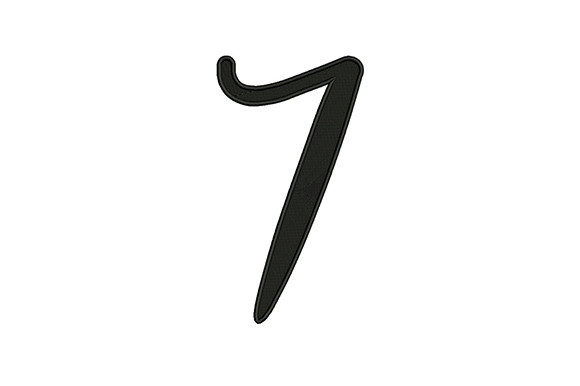
Seven Number Embroidery Design Review
When I sit down to evaluate a new digital embroidery file for my workshop, I am rarely looking for just "pretty." I am looking for viability. Can this design hold up in production? Will it look expensive on a $40 tote bag or feel cheap on a baby onesie? Does the stitch structure make sense, or is it fighting against the fabric? Today, I am putting Seven Number through that same rigorous filter. This is a machine embroidery design categorized under School and Embroidery themes, but its application goes far beyond simple classroom decor. It is a versatile asset that demands careful consideration before it hits your hoop.
First Impressions: The Visual Personality of Seven Number
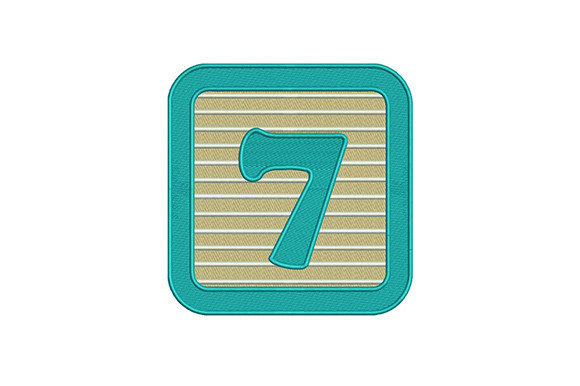
The moment you load Seven Number into your digitizing software, the layout speaks to a clean, modern aesthetic. It does not rely on excessive clutter or overly complex pictorial elements. Instead, it leans into strong geometric shapes and clear typography, which is exactly what makes it suitable for the diverse range of projects I work on daily. The three-color palette provided in the file is smart; it limits the thread changes while allowing for enough contrast to create depth without overwhelming the eye.
In terms of mood, this design feels structured yet playful. It has a professional edge that works well for boutique branding but retains a handmade warmth that customers love when buying personalized gifts. Whether you are creating a custom sweatshirt for a local school spirit event or designing a set of embroidered patches for a craft fair, Seven Number strikes a balance between legibility and artistic flair. It doesn’t scream for attention; it invites the viewer to appreciate the craftsmanship behind it.
Real-World Application: Where Seven Number Shines
I recently used a similar structural design on a series of canvas tote bags for a small business client, and the results were stellar. Seven Number translates exceptionally well to sturdy fabrics like cotton duck, denim, and heavy-weight polyester blends. Here is how I see it performing in specific real-life scenarios:
- Custom Apparel and Sweatshirts: When placed on the chest of a crewneck sweatshirt, the design benefits from the smooth surface area. The satin stitches around any lettering or borders will lay flat, creating a crisp finish that resists fraying even after multiple washes. It adds a touch of sophistication to casual wear.
- Tote Bag Design: For Etsy sellers and craft business owners, this is a high-demand item. The design’s clean lines stand out beautifully against natural canvas colors. It looks particularly striking when paired with contrasting thread colors, making it an excellent choice for personalized gift bags or promotional merchandise.
- Baby Embroidery and Nursery Decor: The softness implied by the color choices makes this design safe for baby clothes, though care must be taken regarding placement. On a burp cloth or a small blanket, the limited color count keeps the stitching dense and durable, which is crucial for items that will undergo frequent laundering.
- Embroidered Patch: If you are creating detachable patches, the defined edges of Seven Number allow for a clean cut-out. It serves as a great brand identifier for aprons, kitchen towels, or even baseball caps where space is limited but impact needs to be high.
The versatility of this embroidery file extends to holiday embroidery projects as well. While it carries a school theme, the numerical aspect can be adapted for anniversaries, birthdays, or house numbers, giving it a longer lifecycle in your product catalog than a strictly seasonal design.
Critical Considerations: Where to Exercise Caution
No design is perfect for every surface, and Seven Number is no exception. As an experienced reviewer, I need to highlight where this design might struggle if applied blindly.
First, avoid placing this on highly textured or stretchy fabrics without proper stabilization. Thin jersey knits or loose-weave linen can cause the stitch density to pucker or distort the shape. If you are working with dark fabric, ensure your thread colors provide sufficient contrast; otherwise, the design may get lost visually. Similarly, curved surfaces like the front of a cap require careful hooping techniques to prevent distortion at the corners.
Another point of caution is the scale. While the design is scalable, shrinking it too small can compromise the integrity of smaller details. Tiny lettering or intricate decorative accents may become muddy if the hoop size is reduced below a certain threshold. Always inspect the small details in your software before committing to the final stitch-out. If the design includes dense fill areas, ensure your machine can handle the thread consumption without breaking tension.
Impact on Product Value and Customer Trust
In the world of handmade products and commercial embroidery, presentation is everything. A well-executed embroidery project signals quality to the buyer. Seven Number, with its clean geometry and balanced composition, elevates the perceived value of the finished product. Customers associate neat, precise stitching with durability and care. When a buyer sees a cleanly stitched design on a tote bag or a personalized gift, they trust that the item was made with intention.
For digital product sellers, this design also offers strong potential for printable mockups. Because the layout is uncluttered, it photographs well and translates effectively into digital previews. This allows you to showcase the design on various backgrounds—light wood, white walls, or vibrant fabrics—to help buyers visualize the final result. Consistency in this visual presentation builds brand authority and encourages repeat engagement.
Practical Designer Notes for Implementation
Before you rush to produce a batch of small shop products using Seven Number, follow these essential steps to ensure success:
- Test on Scrap Fabric: Never go straight to the final garment. Stitch the design on a scrap piece of the same fabric type to check for puckering, thread breaks, or color mismatches.
- Check Thread Color Contrast: Evaluate the three colors against your chosen fabric. Ensure that no color blends into the background, which would reduce visibility and appeal.
- Review Stitch Density: Look at the transition between satin and fill stitches. Are there any areas where the needle penetration is too close together, risking fabric damage? Adjust if necessary.
- Confirm Hoop Size: Verify that the design fits comfortably within your standard hoop sizes to avoid awkward trimming or re-hooping.
- Inspect Small Details: Zoom in on the digitized file. Are the corners sharp? Is the text legible? If the design is intended for resale, clarity is non-negotiable.
- Verify Licensing: Before selling finished items or offering this as a digital embroidery file, confirm the licensing terms. Commercial use rights vary, and protecting your business starts with understanding what you are allowed to do with the asset.
By approaching Seven Number with this level of scrutiny, you transform a simple digital file into a reliable tool for your creative business. It is a design that rewards patience and precision, offering a professional finish that resonates with customers who value quality. Whether you are decorating a personal hoodie or building an inventory for your online store, this machine embroidery design provides a solid foundation for success.