Addition Wheel 15: A Designer’s Review for Real-World Embroidery Projects
When I browse through new digital embroidery files, I am rarely impressed by novelty alone. As a designer who frequently creates assets for small businesses and custom apparel clients, I look for versatility, clarity, and emotional resonance. Recently, I evaluated Addition Wheel 15, a design marketed toward the school category. At first glance, it appears to be another educational graphic intended for classroom decor. However, my initial assessment quickly shifted when I began visualizing how this design would translate from a screen into a tangible, stitched product.
This is not just a file for teachers to hang on a bulletin board. For the savvy Etsy seller, boutique owner, or craft business entrepreneur, Addition Wheel 15 offers a unique opportunity to create personalized gifts and handmade products that blend utility with charm. In this review, I will break down the practical applications of this embroidery design, discussing where it shines, where it requires caution, and how it can elevate your finished product line.
First Impressions: Visual Personality and Mood
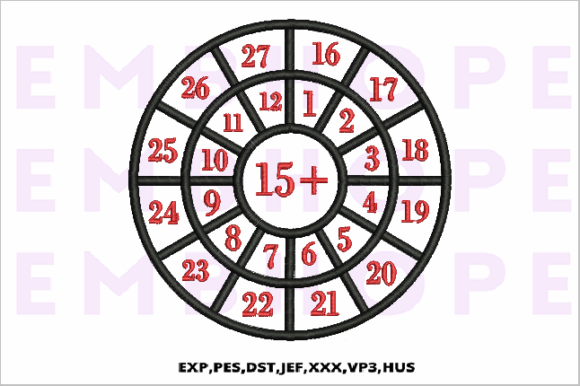
The moment you open the file, the personality of Addition Wheel 15 is evident. It radiates a bright, cheery energy that feels both nostalgic and modern. The "wheel" motif suggests movement and rotation, which adds a dynamic quality to what could otherwise be a static image. For an embroidery project, this translates to a design that feels alive once stitched.
From a design perspective, the layout is clean. This is crucial because embroidery simplifies details. Complex vector lines often get lost in thread texture, but this design relies on bold shapes and clear mathematical symbols. The mood is encouraging and playful, making it ideal for environments focused on growth, learning, and creativity. Whether you are creating a custom apparel item for a student teacher or a personalized gift for a child starting kindergarten, the visual language of Addition Wheel 15 communicates positivity without being overly childish. It strikes a balance that appeals to both children and the adults buying for them.
Real-World Applications: Where This Design Shines
One of the strongest selling points of Addition Wheel 15 is its adaptability across various mediums. While the description mentions classroom use, I see immense potential in the realm of handmade product creation. Here is how I envision this design performing in specific commercial and personal projects:
- Tote Bag Design: A canvas tote bag embroidered with Addition Wheel 15 makes for an excellent back-to-school accessory. The wheel shape fits naturally on the front panel or centered on the side. When paired with sturdy thread colors, it becomes a durable embroidered patch-style graphic that students will want to carry daily.
- Sweatshirt Embroidery: For older elementary students or even parents who love math-themed humor, placing this design on the pocket area of a sweatshirt or hoodie creates a subtle yet distinctive look. The cheerful nature of the design softens the academic theme, making it suitable for casual wear.
- Baby Embroidery: This is perhaps the most lucrative market. Parents love personalized items for their little ones. Imagine a baby bodysuit or a receiving blanket featuring Addition Wheel 15. It serves as a keepsake that marks the beginning of their educational journey. The bright colors pop beautifully against white or pastel fabrics, enhancing the visual appeal of the final piece.
- Kitchen Towels and Aprons: Don’t overlook the home goods sector. A tea towel or a chef’s apron embroidered with this design adds a whimsical touch to the kitchen. It works particularly well for families who enjoy cooking together, turning meal prep into a fun, family-oriented activity.
- Holiday Embroidery: Because the design is colorful and celebratory, it fits well within holiday gifting contexts. It is not tied to a specific religious or seasonal event, making it a versatile option for end-of-year gifts, birthday presents, or teacher appreciation weeks.
Technical Considerations and Potential Pitfalls
As an experienced reviewer, I must address the technical realities of stitching Addition Wheel 15. Not every fabric or surface is created equal, and understanding these limitations is key to maintaining professional standards.
Fabric Texture and Stability: This design likely contains areas of fill stitch and possibly some satin stitch elements for outlining. If you attempt to embroider this on highly textured fabrics like heavy tweed or loose-weave linen, the detail may become muddy. For best results, stick to smooth cottons, poly-cotton blends, or stable denim. Always use a proper stabilizer—cut-away for stretchy knits and tear-away for wovens—to prevent puckering, especially if the design has dense stitch areas.
Small Hoop Sizes: If you are working with limited hoop space, be cautious. While the wheel motif is circular, the surrounding text or mathematical symbols might require more width than anticipated. Test the design in your software to ensure it fits comfortably within your target hoop size. Crowding the edges can lead to trimming errors or misalignment during the stitching process.
Thread Color Contrast: The effectiveness of Addition Wheel 15 relies heavily on contrast. On dark fabric, you will need light, vibrant threads to make the wheels stand out. Conversely, on light backgrounds, darker threads provide definition. Avoid using similar tones for the fill and the outline, as this can cause the design to look flat and indistinct. Before committing to a large production run, test your thread colors on scrap fabric to verify legibility.
Detailed Corners and Lettering: If the design includes small numerical details or fine text, inspect the stitch path closely. Running stitch or thin satin stitches can sometimes break or blur if the density is too low. Ensure that any tiny elements are robust enough to withstand washing, particularly for items like custom apparel or baby clothes that will see frequent laundering.
Impact on Brand Value and Customer Trust
In the world of craft business and Etsy seller operations, presentation is everything. Using a high-quality, well-executed design like Addition Wheel 15 signals professionalism to your customers. When a buyer receives a product where the stitching is clean, the colors are vibrant, and the design is centered correctly, it builds trust in your brand.
Furthermore, designs that evoke emotion—like the joy of learning represented here—create stronger connections. Customers are more likely to leave positive reviews and recommend your shop when the product feels thoughtful and personal. Addition Wheel 15 allows you to offer something that feels custom-made, even if you are producing it in batches. This perceived value justifies higher price points and enhances the finished product’s desirability.
Practical Designer Notes for Implementation
Before adding Addition Wheel 15 to your repertoire of design assets, consider these essential steps:
- Test on Scrap Fabric: Never go straight to the final product. Stitch the design on a piece of the same material you plan to use. This reveals issues with tension, stabilizer choice, or thread bleed before they become costly mistakes.
- Check Licensing: Verify the terms of use for the digital embroidery file. Ensure you have the right to sell physical items made from this design. Commercial licensing varies by creator, and adhering to these terms protects your small shop product business from legal issues.
- Create Printable Mockups: Use digital mockups to preview how Addition Wheel 15 looks on different products. This helps you market the design effectively on your website or social media channels, giving potential buyers a clear idea of the embroidery project outcome.
- Inspect Stitch Density: Look at the design in black and white mode to check for excessive density. High density can cause bulkiness, especially on garments like caps or hats where comfort is paramount.
- Confirm Compatibility: While most modern machines handle standard formats well, always double-check compatibility with your specific equipment to avoid errors during execution.
In conclusion, Addition Wheel 15 is more than just a cute graphic; it is a versatile tool for creative entrepreneurs. By understanding its strengths and respecting its technical requirements, you can transform this simple embroidery design into a standout item that delights customers and strengthens your brand. Whether you are crafting a single personalized gift or building a line of commercial embroidery products, this design offers a solid foundation for success.