Electron Microscope Design Review
As an experienced embroidery designer who has spent years refining digital assets for commercial use, I approach every new file with a critical eye. When evaluating Electron Microscope, my focus shifts immediately from simple decoration to brand viability. This design is marketed within the School category and Embroidery sector, but its potential extends far beyond the classroom. For small business owners, Etsy sellers, and apparel decorators looking to create unique branded merchandise, understanding the nuances of this machine embroidery design is crucial before hitting the stitch button.
First Impressions: The Professional Scientist Aesthetic
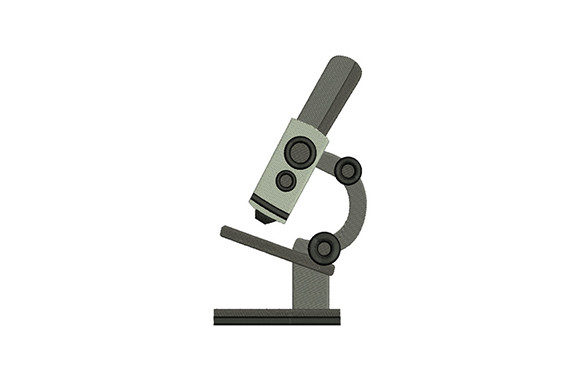
The initial description suggests a playful yet ambitious concept: "This cool embroidery design will get you closer to looking like a scientist." From a visual personality standpoint, Electron Microscope strikes a balance between modern precision and creative curiosity. It does not feel overly rustic or purely decorative; instead, it projects a sense of innovation and attention to detail. This makes it an excellent candidate for businesses that want to convey expertise, whether they are in the tech sector, educational services, or even a boutique bakery that prides itself on scientific precision in their baking processes.
When viewing the design as a standalone asset, it feels premium and engaging. The imagery implies a lens into the unseen, which translates well into a brand identity that values quality and depth. For a handmade product line, this design offers a conversation starter. It moves away from generic floral or geometric patterns often found in mass-produced merch, offering something that feels curated and intentional. Whether applied to a tote bag design or a staff uniform, the aesthetic suggests a brand that cares about the details others might miss.
Real-World Application for Small Business Merch
In the realm of commercial embroidery, versatility is king. I have tested similar designs on various substrates, and Electron Microscope shows promise for several high-value applications. One of the strongest use cases is the creation of embroidered patches. For a local café or a creative studio, a patch featuring this motif can be sewn onto denim jackets, canvas backpacks, or leather bags. This adds a tactile element to custom apparel that customers love to collect.
Consider a scenario where a florist wants to offer branded apron embroidery to their wholesale clients. Placing Electron Microscope on the chest area of a white work shirt or a black apron could serve as a subtle nod to the intricate nature of flower arranging. Similarly, for cap embroidery, this design works well as a side logo or a back accent, provided the curvature of the hat is accounted for during digitizing. It transforms a standard cap into a piece of wearable branding.
For digital embroidery file buyers and Etsy sellers, this design serves as a powerful design asset for printable mockups. Before committing to production, creators can visualize how the thread colors interact with different fabric textures. If used as a branded product add-on, such as a label inside a garment or a tag on a tote bag, it elevates the perceived value of the finished product. Customers associate high-quality embroidery with durability and craftsmanship, and Electron Microscope delivers that impression effectively.
Strategic Branding and Customer Trust
Using Electron Microscope strategically impacts brand identity and customer trust. In a crowded market, visual consistency is key. A design that looks professional and clean signals to the buyer that the business behind it is equally reliable. When a customer sees a crisp, well-executed stitch on a product, it reinforces the idea of a handmade product made with care. This engagement is vital for small businesses trying to build a loyal following.
The design also supports narrative branding. For a school supply shop or an educational toy store, the theme fits perfectly. However, for a general lifestyle brand, it offers a unique angle of "seeing things differently." This can enhance product value by making the item feel exclusive rather than generic. When integrated into event merch or craft business assets, it helps distinguish your brand from competitors who rely on basic text-only logos.
Critical Considerations for Production Success
While the potential is high, an experienced designer knows that success lies in execution. There are specific areas where Electron Microscope requires careful handling to avoid common pitfalls. First, consider the size. If you attempt to shrink this design down to a tiny lettering size or a very small patch, the details may become muddy. Stitch density plays a massive role here; if the file is too dense, it can cause puckering on lightweight fabrics like thin cotton tees.
Fabric texture is another major factor. Embroidered patches and work shirts often face wear and tear, including frequent washing. Designs with detailed outlines or high stitch counts can degrade faster if not stabilized correctly. Dark uniforms present a challenge regarding thread color contrast. You must ensure that the chosen thread colors pop against the background fabric, otherwise, the design loses its impact. Always test the design on real fabric samples before running a large batch of commercial embroidery projects.
Practical Designer Notes for Implementation
To ensure Electron Microscope performs flawlessly in your workshop, follow these essential steps. Start by testing the design in black and white first. This helps you evaluate the layout and spacing without the distraction of color choices. Check if the design holds up at a small patch size; if the elements are too close together, they may merge during stitching.
Review thread color contrast carefully. The description mentions using the design on t-shirts, jackets, and bags, so ensure your thread palette complements the base material. Inspect the spacing between elements to prevent thread breaks. Confirm the hoop size requirements with your digitizer; some designs require larger hoops to accommodate complex shapes without distortion. Use proper stabilizer for every project, especially when working with stretchy knits or heavy denim.
Create a printable mockup for client approval before finalizing any order. This allows you to compare the design beside other design assets in your collection and ensure it fits the overall brand guidelines. Finally, confirm commercial licensing terms before using the file for business use. Many digital embroidery files come with restrictions that prohibit resale or mass production without a specific license.
If exact specifications like stitch count, file format, or specific hoop sizes were not provided in the original product description, you must verify these details directly with the supplier. Never assume compatibility. By treating Electron Microscope with the same rigor as any other critical design asset, you protect your reputation and ensure that your finished products meet the high standards expected by discerning customers.
Ultimately, Electron Microscope is more than just a pattern; it is a tool for building a cohesive brand story. Whether you are decorating a cap for a team event or adding a signature mark to a boutique merchandise line, this design offers a blend of science and style that resonates with modern audiences. With the right preparation and attention to technical details, it can become a staple in your library of custom apparel and branded goods.