Letters Fruiting Tree Design Review
As an embroidery designer who has spent years perfecting the art of turning digital files into tangible, sellable goods, I approach every new design file with a critical eye. When I first laid eyes on the Letters Fruiting Tree Design, I immediately began visualizing it on my craft fair table. The title alone suggests a blend of whimsy and nature, which is a powerful combination for handmade market products. But does this design truly hold up under the scrutiny of a busy weekend booth? Can it compete with the thousands of other items vying for attention? After simulating a full production run for tote bags, aprons, and gift items, here is my professional assessment.
The First Impression: A Blend of Whimsy and Farmhouse Charm
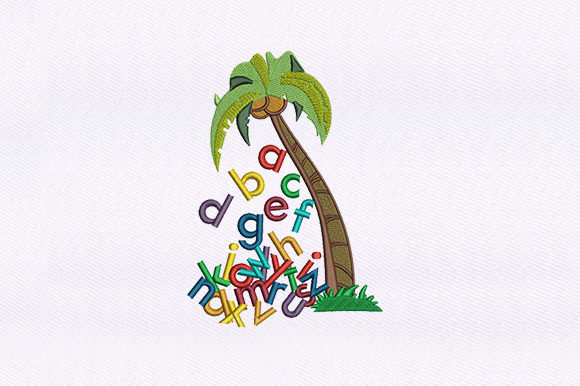
The moment you examine the Letters Fruiting Tree Design, it feels inviting and grounded. It strikes a balance between cute and rustic that appeals to a wide demographic. For the Etsy seller or boutique maker, this design offers a "farmhouse chic" aesthetic that never goes out of style. The integration of lettering with organic tree elements suggests a narrative of growth and abundance, making it perfect for back-to-school themes or seasonal harvest markets. Unlike overly complex floral patterns that can get lost in a crowded display, this design promises clarity. It feels premium yet accessible, signaling high-quality craftsmanship to potential buyers before they even touch the product.
Product Potential: Where This Design Shines
In a real-world scenario, setting up a booth requires selecting products that not only look good but also photograph well. The Letters Fruiting Tree Design is incredibly versatile across various categories of machine embroidery design.
- Tote Bags and Market Bags: This is arguably the strongest application. Placing the design centrally on a canvas tote creates a bold focal point. Customers love carrying bags that make a statement about their values, and a fruiting tree symbolizes creativity and productivity. The design works as a large centerpiece or a subtle chest pocket accent.
- Apron Embroidery: For the home cook or the crafter selling kitchen goods, this design transforms a standard apron into a unique piece of art. The organic shapes of the tree complement the utility of the garment without overwhelming it.
- Tea Towel Embroidery: Kitchen towels are high-margin items at craft fairs. The Letters Fruiting Tree Design fits perfectly on the hem or center panel of a tea towel. The contrast of the stitching against linen or cotton creates a tactile appeal that draws hands to the table.
- Caps and Patches: While caps present a curved surface challenge, a smaller iteration of this design could work beautifully as an embroidered patch or a focused cap front. It adds a custom touch that mass-produced caps lack.
- Pillow Covers and Small Pouches: These items allow for experimentation with thread colors. A small pouch featuring this motif makes an excellent impulse buy or a low-cost entry point for customers browsing your booth.
Selling Strategy and Visual Appeal
When curating a craft fair product lineup, visibility is everything. The Letters Fruiting Tree Design performs exceptionally well in terms of visual hierarchy. It is distinct enough to be noticed from across a booth but detailed enough to warrant a closer inspection. For digital sellers creating printable mockups for Etsy listings, this design translates well to images. The combination of text and imagery provides a natural frame that looks balanced on screen.
From a brand consistency perspective, this design helps establish a cohesive identity. If you specialize in handmade gifts, using this motif across different items (totes, towels, patches) creates a recognizable collection. Buyers often appreciate when a shop has a signature style. Furthermore, the design feels repeatable, allowing for batch production without losing quality. You can create a series of variations by simply changing the thread colors while keeping the structure intact, maximizing your efficiency during long production days.
Production Realities and Technical Considerations
However, not all designs are created equal when it comes to production. As a professional, I must advise caution regarding specific technical aspects of the embroidery file. Before committing to a full run, you must evaluate the stitch density. Dense areas can cause puckering, especially on lightweight fabrics like thin cotton tees or sheer curtains. If the design features tiny details or very small lettering, test these thoroughly. On textured towels or thick denim, small stitches may disappear or look muddy.
For commercial embroidery on curved surfaces like caps, ensure the digitization accounts for the curvature. A design that looks flat on a computer screen might distort if the hoop size is too small for the curve. Additionally, consider the background fabric color. Dark fabrics require a different stabilizer setup and potentially more thread coverage than light fabrics to maintain the vibrancy of the Letters Fruiting Tree Design.
Essential Designer Notes for Success
To ensure your finished product meets the highest standards, follow these practical steps before hitting the sales floor:
- Test on Scrap Fabric: Never embroider a final product without a test run. Use scrap fabric similar to your actual inventory to check how the threads interact with the weave.
- Check Thread Contrast: Ensure the chosen thread colors pop against your fabric. Good contrast is key for readability and visual impact.
- Review Spacing and Hoop Size: Confirm that the design fits within your available hoop sizes without cutting off essential elements. Proper spacing prevents crowding and ensures clean edges.
- Inspect Stitch Density: Look closely at the densest parts of the design. If the stitches are too tight, the fabric may pucker; if too loose, the texture will look weak.
- Use the Right Stabilizer: Match your stabilizer to the fabric weight. A heavy-duty cut-away stabilizer is often necessary for durable items like totes and aprons.
- Create Real Mockups: Don't rely solely on digital renders. Create at least one physical sample to photograph for your Etsy seller listings. Real photos build trust.
- Compare Fabric Colors: Test the design on multiple fabric shades to see which offers the best aesthetic value.
- Confirm Licensing: Always verify commercial licensing terms before selling finished goods made from this digital embroidery file.
Final Verdict
The Letters Fruiting Tree Design is a robust asset for any creative entrepreneur looking to expand their handmade product line. It bridges the gap between functional utility and artistic expression, making it ideal for school-themed events, seasonal markets, or year-round online shops. With careful attention to production details like stitch density and hoop size, this design can elevate your booth display and drive sales. Whether you are a seasoned pro or just starting out, this design offers the flexibility and charm needed to stand out in a competitive marketplace.