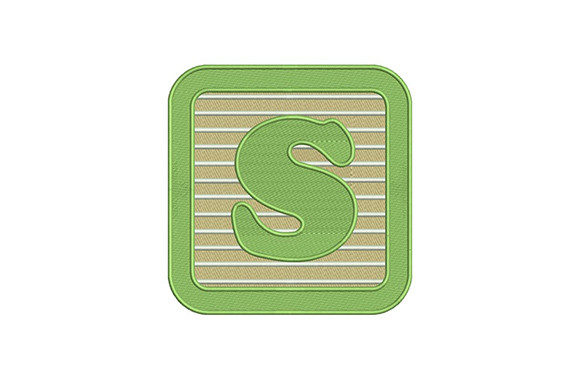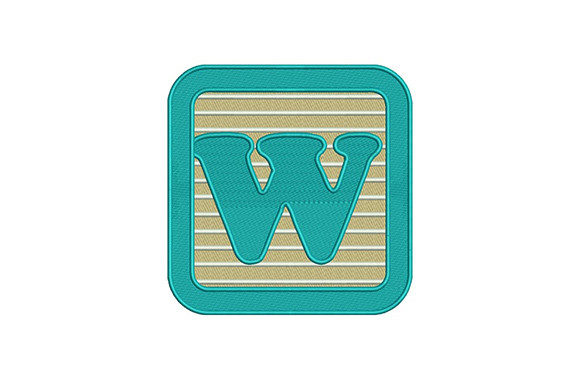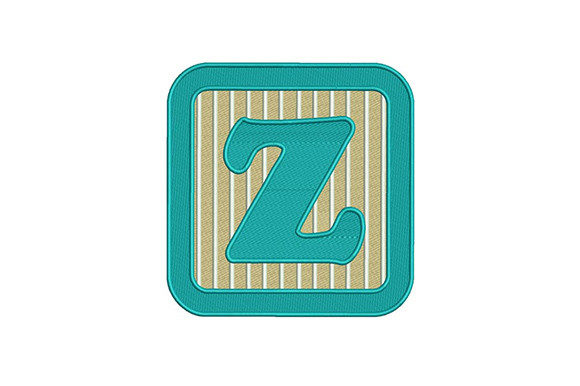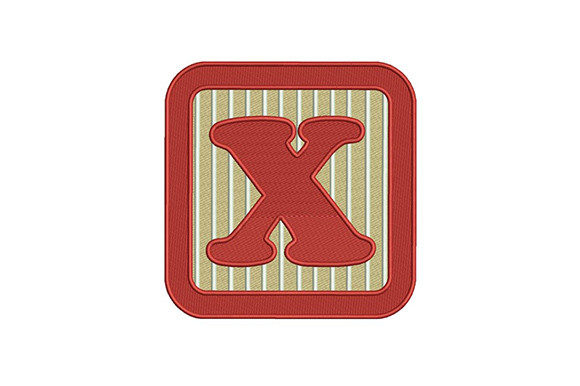
Alphabet E Letter: A Designer's Review for Holiday Collections
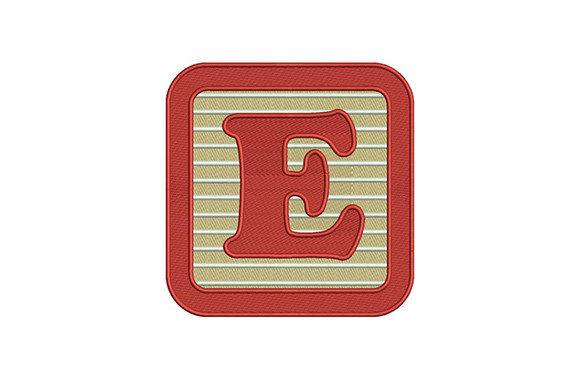
As an experienced embroidery designer, I spend a significant portion of my year curating digital files that will eventually become tangible treasures for families and small businesses. When I first encountered the Alphabet E Letter, I immediately began evaluating its potential within a seasonal product collection. The description suggests it is a tool for parents and teachers to teach the alphabet, but in the world of handmade commerce, we see beyond the utility. We see a versatile asset ready to be stitched onto sweatshirts, tote bags, kitchen towels, ornaments, pillow covers, baby items, aprons, table linens, patches, and gift-ready products. This review explores how this design fits into the emotional landscape of holiday shopping and practical business planning.
The First Impression: Mood and Style Analysis
When I unbox or preview a new machine embroidery design, the first question I ask is about the mood. Does it feel festive, cozy, elegant, playful, nostalgic, rustic, modern, cute, spiritual, romantic, or premium? The Alphabet E Letter strikes a balance between playful and educational, making it ideal for the "School" category while remaining perfectly suited for family-centric holidays like Christmas, Easter, or back-to-school season.
The design carries a warm, inviting tone that resonates with buyers looking for personalized gifts. It does not scream for attention with aggressive graphics; instead, it offers a subtle charm that feels like a handwritten note or a cherished classroom poster. For an Etsy seller or small shop owner, this is crucial. Customers want items that feel intimate and thoughtfully crafted. The Alphabet E Letter provides a focal point that allows the recipient to project their own emotions onto the item, whether it is pride in a child's learning or nostalgia for family traditions.
Strategic Placement for Seasonal Selling
In a real-world scenario of building a holiday shop collection, versatility is king. I envision the Alphabet E Letter performing exceptionally well across various product categories during peak shopping periods. Here is how I would deploy this design for maximum impact:
- Apparel Decorators: Imagine stitching this onto a cozy sweatshirt for a family matching set. It creates a cohesive look for holiday photos without being overwhelming. It also works beautifully on children's clothing, adding a personal touch that makes the garment feel unique.
- Home Decor Creators: A pillow cover featuring the letter can serve as a monogrammed accent piece for a nursery or a child's bedroom. Similarly, kitchen towel embroidery featuring this design could transform a standard household item into a thoughtful housewarming or holiday hostess gift.
- Tote Bag Design: Parents love personalized accessories. A sturdy tote bag embroidered with the Alphabet E Letter becomes a functional school supply carrier or a reusable shopping bag that doubles as a promotional item for your brand.
- Gift-Ready Products: Consider creating limited-time product drops. An embroidered patch featuring the letter can be applied to denim jackets or backpacks, appealing to the trend of customizable fashion.
This design excels in gift bundles. You could pair the Alphabet E Letter file with other letters to create a full alphabet set, allowing customers to build a custom name. This strategy increases average order value and customer engagement during holiday shopping periods. In social media previews and printable mockups, the clean lines of the letter stand out against textured fabrics, ensuring your visual recognition remains high.
Critical Considerations for Production Quality
While the potential is vast, a professional must exercise caution when selecting where to apply the Alphabet E Letter. Not every fabric or item is suitable for every stitch pattern. There are specific scenarios where you should proceed with care to ensure the finished product meets commercial standards.
First, consider the hoop size and the physical dimensions of the letter. If the design includes tiny lettering or intricate layered details, it may not translate well on small hoop sizes or very narrow items. Always verify the dimensions before committing to mass production. Secondly, thick towels and heavy canvas can sometimes cause the stitches to sink or distort if the stabilizer is not chosen correctly. Conversely, on thin or stretchy garments, the density of the stitches might cause puckering if the wrong underlay is used.
Fabric texture plays a massive role in the final aesthetic. On dark fabric, the thread colors need to be vibrant enough to pop, whereas on light fabric, you have more flexibility with pastel tones. Metallic thread can add a magical holiday sparkle to the Alphabet E Letter, but it requires a larger eye needle and careful tension settings to prevent breakage. Furthermore, items that need repeated washing, such as children's aprons or school uniforms, require robust stabilization and high-quality threads to maintain integrity over time.
Emotional Impact and Brand Value
How does the Alphabet E Letter affect the buyer's perception of value? Personalized gifts often command a higher price point because they carry emotional weight. When a customer sees a shirt with a specific letter stitched with precision, they perceive the effort and skill involved. This builds customer trust and reinforces brand consistency.
For an Etsy seller or small shop product creator, using a high-quality digital embroidery file like this one signals professionalism. It shows that you care about the details, from the stitch density to the color palette. During the holidays, buyers are often overwhelmed by generic options. A design that feels handcrafted and tailored to a specific child or family member cuts through the noise. It transforms a simple commodity into a memorable keepsake.
The design also supports narrative marketing. You can tell a story about education, growth, and family bonding. Whether it is a "Back to School" promotion or a "Christmas Morning Surprise," the Alphabet E Letter serves as a visual anchor for these stories. This enhances engagement and encourages sharing on social platforms, where users love to showcase their personalized purchases.
Practical Designer Notes for Success
Before adding the Alphabet E Letter to your inventory, there are technical steps every embroiderer must take to ensure success. These notes are based on years of testing and refining designs for commercial use.
- Test Thread Colors: Always test your chosen thread colors on both light and dark fabric samples. The same blue thread looks different on white cotton versus black fleece. Ensure the contrast is sufficient for visibility.
- Check Stitch Density: High-density areas can be difficult to stitch cleanly on certain materials. Zoom in on the design file to check for tight clusters of stitches that might cause fabric distortion.
- Confirm Hoop Size: Verify that the design fits within your standard hoops. If the design is too large, you may need to split the file or use a larger frame, which affects your workflow.
- Use Proper Stabilizer: The choice of stabilizer is critical. For stretchy garments, a cut-away stabilizer is usually best. For stable fabrics like towels, a tear-away might suffice. Never skip this step.
- Create Realistic Mockups: Before listing your product, create realistic mockups that show the texture of the fabric and the depth of the embroidery. Avoid flat images that do not convey the quality of the work.
- Review Small Details: After stitching, inspect the design closely. Are there loose threads? Is the registration perfect? A single missed detail can ruin the perceived value of a handmade gift.
- Plan Color Palettes: Create matching color palettes for the holiday season. If you are selling a red-themed collection, ensure the Alphabet E Letter complements the surrounding elements.
- Verify Licensing: Finally, confirm commercial licensing before selling finished seasonal products. Ensure you have the right to sell items made with this embroidery file for profit.
The Alphabet E Letter is more than just a character; it is a bridge between creativity and commerce. By understanding its strengths and limitations, you can create a seasonal collection that delights customers and drives sales. Whether you are decorating a baby item or creating a statement piece for a home decor line, this design offers the flexibility needed to succeed in the competitive world of commercial embroidery. Approach it with care, respect the technical requirements, and let your creativity shine through every stitch.