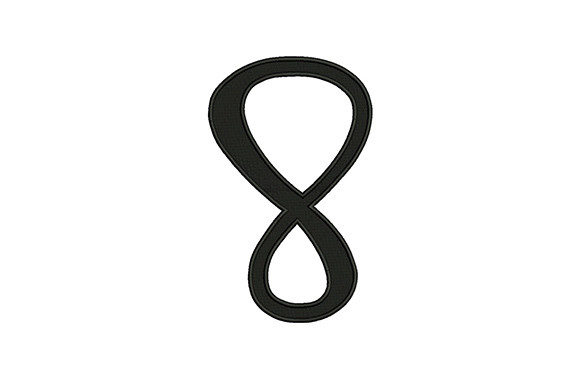
8 Number: A Designer's Review for Personalized Gifts
As an experienced embroidery designer who has spent years refining my craft, I recently had the opportunity to test a specific machine embroidery design called 8 Number. My goal was simple but critical: determine if this file could serve as a reliable cornerstone for a new line of personalized gifts. In the world of handmade goods, especially for Etsy sellers and small business owners, the difference between a good product and a great one often comes down to the quality of the digital file you start with. After running several tests on various fabrics, I want to share my honest perspective on how 8 Number performs when used for creating meaningful keepsakes.
The First Impression: Charm and Clarity
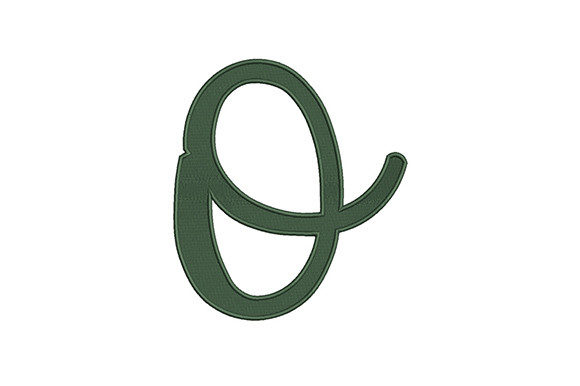
When I first opened the embroidery file in my digitizing software, the immediate feeling was one of clean simplicity. The design does not try too hard; instead, it offers a classic, modern aesthetic that feels both sweet and elegant. For a product meant to be a gift, this balance is essential. It avoids being overly childish while remaining playful enough for nursery items or baby products. The lines are crisp, suggesting a high level of detail that translates well from screen to fabric.
I found that 8 Number carries a distinct emotional appeal. It feels warm and inviting, perfect for the sentimental nature of custom orders. Whether intended for a wedding keepsake or a family heirloom, the design projects a sense of care and attention. It does not look like a mass-produced sticker slapped onto a tote bag; rather, it looks like a thoughtfully created piece of art. This perception is vital because customers buying personalized gifts are paying for the story behind the item as much as the physical object itself.
Real-World Application: From Design to Finished Product
To truly understand the potential of this design, I imagined several scenarios where it would shine. Picture a customer ordering a baby blanket for a newborn shower. If I were to stitch 8 Number onto a soft cotton muslin, the result would be a stunning focal point. The design is versatile enough to stand alone on a large surface like a blanket or work beautifully as a monogram accent on a smaller item like an embroidered towel.
I also considered its application in the kitchen. A set of aprons featuring this design could become a best-selling item for a boutique. The clean lines of 8 Number would look sophisticated on linen or heavy cotton canvas, elevating a standard kitchen tool into a luxury item. Similarly, for a wedding gift designer, placing this motif on a pillow cover or a guest book could add a touch of timeless romance. The design works exceptionally well for custom embroidery projects where names, dates, or special numbers are involved.
For those selling on platforms like Etsy, the visual impact of 8 Number is significant. When photographing a finished product, such as a tote bag or a nursery decoration, the clarity of the stitches catches the light beautifully. This enhances the perceived value of the item, making it easier to justify a higher price point. Customers browsing through listings are drawn to items that look professionally finished, and a well-executed stitch density in 8 Number delivers exactly that professional touch.
Strategic Uses for Small Business Owners
This design opens up numerous avenues for small shop product creators. You can use it to create cohesive collections. Imagine a "Baby Shower" bundle that includes a bib, a onesie, and a wall hanging, all unified by the same 8 Number motif. Consistency builds brand trust. Furthermore, for Etsy sellers looking to expand their inventory without hiring expensive designers, having a reliable file like this allows for rapid prototyping. You can quickly create mockups for different colorways—pastels for babies, bold colors for sports teams, or black thread on white fabric for a modern look.
The versatility extends to seasonal crafting as well. While the design itself is timeless, the context in which you place it can make it feel fresh and relevant. It fits perfectly into school-themed projects, perhaps as part of a class roster display or a teacher appreciation gift, aligning with the School category often associated with group embroidery projects. However, its primary strength remains in the realm of personal gifting, where the emotional connection drives sales.
Critical Considerations and Limitations
While 8 Number is impressive, no single design is perfect for every situation. As a designer, I must advise caution in specific areas. If you plan to use this on delicate, textured fabrics like bouclé or heavy chenille, the details might get lost. The texture of the fabric can obscure the fine lines of the stitching, reducing the overall impact.
Similarly, stretchy baby clothes require careful consideration. If the fabric stretches significantly during wear, the stitches may pucker unless the correct stabilizer is used. Thick towels present another challenge; the pile of the towel can sometimes hide the definition of the design, making it look flat. For these reasons, I recommend testing on scrap fabric before committing to a final customer order.
Dark fabrics also demand attention. If you choose a dark background, ensure you have enough contrast in your thread colors. A design that looks vibrant on white might disappear on navy blue if the wrong shade is selected. Additionally, curved surfaces like hats or rounded pillow corners can distort the shape of the numbers if the hoop size is not optimized. Always check the recommended hoop size for the design to ensure it fits the curvature of your product without distortion.
Practical Embroidery Notes for Success
To achieve the best results with 8 Number, there are several technical steps every maker should follow. First and foremost, always run a test stitch on a scrap piece of the exact fabric you intend to use. This helps you gauge the stitch density and see how the threads interact with the material. If the fabric puckers, you may need a different type of stabilizer or a lighter tension setting.
Confirming the commercial licensing is another crucial step. Before selling finished products, verify that the digital embroidery file allows for commercial use. Many designers offer personal licenses only, so checking the terms prevents legal issues later. Also, compare mockups on both light and dark fabrics to ensure the design maintains its integrity across different palettes.
Finally, inspect the finished product closely. Look at the back of the stitching to ensure there is minimal jump stitching or loose threads. A clean finish on the reverse side indicates high-quality digitizing and adds to the professionalism of the finished product. By following these guidelines, you can confidently use 8 Number to create items that your customers will cherish.
Final Thoughts on Giftability and Value
In conclusion, 8 Number is more than just a set of stitches; it is a tool for creating emotional connections. When used correctly, it transforms simple materials into treasured memories. Whether you are making a wedding gift, a baby embroidery project, or a unique home decor piece, this design provides the foundation for a high-quality offering. It appeals to buyers who value handmade quality and authentic craftsmanship. By understanding its strengths and respecting its limitations, you can build a reputation for excellence in the competitive world of handmade goods. The next time you prepare for a craft fair or update your online store, consider how 8 Number can elevate your collection and delight your customers.